
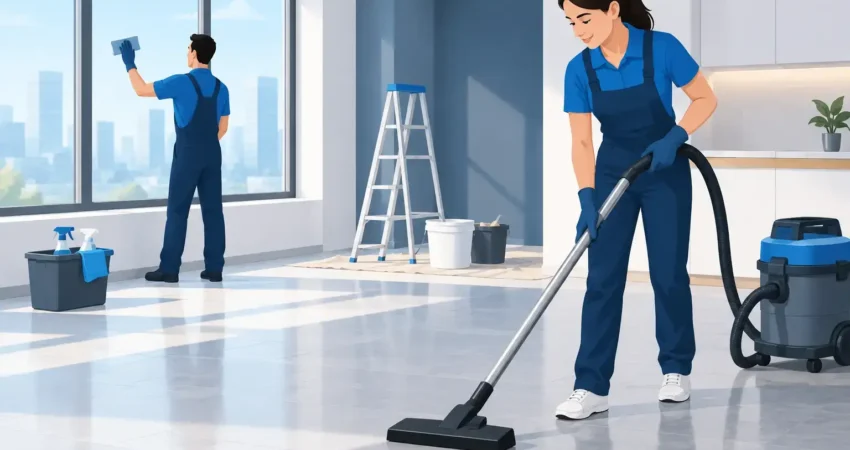
The final contractor may have left the site, but the job is not finished when sawdust sits in corners, adhesive marks remain on glass, and fine dust has settled inside cabinets and air vents. Professional post construction cleaning services turn a completed build, renovation, or fit-out into a space that is safe, presentable, and ready to use. For property owners and project managers, that final clean protects the quality of the work everyone can see.
Why Post Construction Cleaning Services Matter
Construction dust is more than a cosmetic issue. It travels through rooms, settles on high surfaces, clings to newly installed fixtures, and can quickly make a finished property look neglected. It may also affect indoor air quality, especially when it is left around vents, flooring edges, joinery, and hard-to-reach ledges.
A proper post-construction clean addresses the residue that ordinary cleaning often misses. This includes fine dust, paint splatters, grout haze, tape and sticker residue, fingerprints on glass, and debris left behind during the final stages of work. The goal is not simply to make a room look cleaner. It is to prepare the property for inspection, handover, sale, lease, opening day, or move-in.
For commercial spaces, presentation has an immediate business impact. A new office, retail store, restaurant, clinic, or warehouse should open with clean floors, clear windows, sanitized restrooms, and no visible signs of the work that came before it. For homeowners, a detailed clean means they can enjoy a renovation without spending their first weekend wiping dust from every surface.
Cleaning Built Around the Stage of Your Project
Not every project needs the same level of service. A small kitchen renovation and a newly built commercial facility create different types and volumes of debris. The right cleaning plan depends on the size of the site, the materials used, whether trades are still working, and how soon the space must be occupied.
Rough Cleaning During Construction
A rough clean is often completed before final finishes, furniture, or equipment are installed. Its purpose is to remove heavier debris and keep the site manageable as the project progresses. This may involve clearing packaging, timber offcuts, dust buildup, and other non-hazardous materials from floors and work areas.
This stage can help contractors work more safely and make later cleaning more efficient. It is not a replacement for waste removal or specialized disposal of hazardous materials. Those responsibilities should be agreed upon before work begins.
Final Detail Cleaning Before Handover
The final clean is where appearance and hygiene matter most. Cleaners work through the property in detail, treating floors, walls where appropriate, baseboards, doors, switches, fixtures, cabinetry, bathrooms, kitchens, internal glass, and window frames. Attention is given to edges, corners, and surfaces that collect dust after the first pass.
New finishes require care. Harsh products or abrasive pads can damage polished metal, natural stone, new paint, glass, vinyl, and delicate fixtures. Experienced cleaners select methods that remove construction residue without compromising the finish the client has paid for.
Touch-Up Cleaning After Final Works
A space can look perfect on Friday and need another light clean before Monday’s opening. Final inspections, furniture delivery, last-minute repairs, and additional trade visits can leave new marks and dust behind. A touch-up clean focuses on restoring the presentation of the completed space just before keys are handed over or occupants arrive.
This is particularly useful for showrooms, offices, retail sites, rental properties, and homes being prepared for sale. It provides reassurance that the property will be seen at its best when it matters.
What a Thorough Post-Construction Clean Should Cover
The exact scope should be confirmed in writing, because the word “clean” can mean very different things on a construction project. A dependable provider will inspect the site or ask detailed questions about access, surfaces, site condition, timing, and expected outcomes before providing an estimate.
A detailed service commonly includes dust removal from accessible surfaces, cleaning of doors and frames, spot removal on walls where suitable, vacuuming and mopping floors, cleaning baseboards, wiping switches and outlets, and polishing accessible fixtures. Kitchens and bathrooms receive close attention, including countertops, sinks, faucets, cabinets, toilets, showers, and tiles.
Glass and windows are another key area. Removing labels, construction film, fingerprints, and light residue can greatly improve the look of a completed property. However, heavy cement, paint overspray, scratches, or damaged glass may require a separate assessment. Trying to scrape stubborn residue without the correct tools can cause permanent damage.
Carpets may need professional vacuuming or deep cleaning if they were installed before all construction activity was complete. Hard flooring may need a different approach depending on whether it is sealed timber, tile, vinyl, concrete, or another finish. The best result comes from matching the cleaning process to the material rather than applying a one-size-fits-all method.
Safety and Site Readiness Come First
Post-construction work should never begin until the environment is safe for cleaners to enter. The site needs reliable access, adequate lighting, running water where required, and clear walkways. Contractors should remove major waste, sharp materials, and active construction hazards before the cleaning team arrives.
Some conditions need specialist handling rather than standard cleaning. Potential asbestos-containing materials, chemical spills, biohazards, mold damage, and suspected methamphetamine contamination require appropriate assessment and remediation processes. A general post-construction clean is not designed to manage those risks.
Clear communication reduces delays. Let the cleaning provider know if power is unavailable, if elevators must be booked, if access is restricted, or if the property is still occupied by trades. It is also helpful to identify any newly installed surfaces with manufacturer-specific cleaning requirements. These details allow the team to arrive prepared and reduce the chance of damage or rework.
Choosing a Cleaning Partner for the Final Stage
Price matters, but the cheapest quote is not always the best value. A low estimate may exclude window cleaning, adhesive removal, high dusting, carpet care, or the extra labor needed for a site with heavy buildup. Ask what is included, what is excluded, and whether the quote is based on an inspection, square footage, hourly work, or a fixed project scope.
Experience with occupied commercial spaces can also be valuable. Facilities managers often need cleaning scheduled around security requirements, deliveries, tenant access, and opening deadlines. A provider should be able to coordinate with site contacts, work to a practical schedule, and communicate quickly if the condition of the site differs from the original brief.
Look for a team that treats the work as part of the handover process, not an afterthought. Reliable cleaners protect surfaces, follow site instructions, use suitable equipment, and check their work before leaving. For projects with multiple areas or floors, a room-by-room checklist can help confirm that no detail has been missed.
How to Prepare for a Better Result
A little preparation makes a major difference to cleaning quality and cost. Before the team arrives, arrange for builders’ waste and large packaging to be removed, make sure the property is weather-tight, and confirm that all wet works and painting are complete. If dust-producing work continues after the clean, the final result will not last.
Create one point of contact for access and questions. That person should be able to confirm which rooms are complete, which surfaces need special care, and when the final inspection or handover will take place. Where possible, schedule the final detail clean after all trades have signed off, then allow time for a touch-up visit if the project timeline is tight.
Photographing completed areas before occupancy can also be useful for builders, landlords, and property managers. It creates a clear record of the property’s condition at handover and helps protect the value of the finished work.
Hire and Clean provides practical cleaning support for residential and commercial projects, from one-time post-build cleans to ongoing maintenance once the property is in use. The right schedule can be tailored around your completion date, site access, and the standard required for handover.
A finished project deserves a finish that reflects the effort behind it. Arrange a site-specific estimate early, set clear expectations for the final clean, and give your new space the confident first impression it was built to make.