A positive methamphetamine result can put a property transaction, tenancy, renovation, or reopening on hold immediately. Methamphetamine decontamination NZS 8510 provides the recognized New Zealand framework for assessing contamination, completing remediation, and confirming whether a property is suitable for occupation again.
For landlords, homeowners, facilities managers, and commercial property owners, the priority is not simply making the building look clean. It is protecting occupants, documenting responsible action, and restoring the value and usability of the property. That requires a methodical process carried out by qualified specialists, not a standard cleaning visit.
What NZS 8510 means for contaminated properties
NZS 8510:2017 is the New Zealand Standard covering the testing and decontamination of methamphetamine-contaminated properties. It sets out a structured approach for identifying contamination, planning the required work, carrying out cleaning, and verifying the result through post-remediation testing.
The standard matters because methamphetamine residue is often invisible. A property can appear tidy, smell fresh, and still have residues on walls, ceilings, floors, kitchen surfaces, fixtures, heating and ventilation components, carpets, and other porous materials. Ordinary cleaning products and general household cleaning methods are not designed to manage this risk or demonstrate that remediation has been successful.
The standard uses laboratory analysis of surface samples to assess contamination. A commonly referenced post-remediation level is 1.5 micrograms per 100 square centimeters in high-use areas. However, a professional assessment considers more than one number. The property’s use, the rooms affected, the pattern of results, the materials present, and the source of contamination all influence the scope of work.
NZS 8510 is not a shortcut or a one-size-fits-all checklist. It is a disciplined process that gives property stakeholders a defensible basis for decisions about cleaning, repairs, occupancy, insurance, tenancy, or sale.
When professional methamphetamine testing is needed
Testing is often requested after police activity, reports from neighbors, unusual property damage, evidence of drug use or manufacture, or unexplained concerns from a prospective tenant or buyer. It can also be appropriate before purchasing a property where its history is unclear.
A screening result should be treated carefully. Screening can identify whether further investigation may be needed, but it does not provide the same level of detail as laboratory testing. Before authorizing extensive remediation, property owners should understand what type of test has been performed, where samples were taken, and whether the results support a full contamination assessment.
The difference can be significant. A small, localized area may need targeted treatment, while contamination across several rooms may require a broader remediation plan. Starting with reliable information helps avoid both under-cleaning and unnecessary work.
For rental properties, prompt action also supports clear communication with tenants. Occupants should not be expected to manage suspected contamination themselves. Property owners and managers should arrange an appropriate assessment and follow professional advice before the home is reoccupied.
Contamination is not always from manufacturing
Methamphetamine contamination can result from smoking or other use, not only from drug manufacture. That distinction matters because the contamination pattern and level may vary, but the need for evidence-based testing and appropriate cleaning remains.
A professional remediation provider should assess the available information rather than assume the cause. Police reports, tenancy records, visible damage, testing results, and the layout of the property can all help determine the most sensible next step.
The methamphetamine decontamination NZS 8510 process
A compliant remediation project is planned around the actual condition of the property. The work generally begins with an assessment of laboratory results and a site inspection. This identifies affected rooms, surfaces, furnishings, ventilation pathways, and building materials that may require special treatment or removal.
A written remediation plan should then set expectations before cleaning starts. It should define the work areas, methods, safety controls, waste handling approach, and the need for any repairs or replacement materials. Clear documentation is valuable for owners, insurers, property managers, buyers, and future occupants.
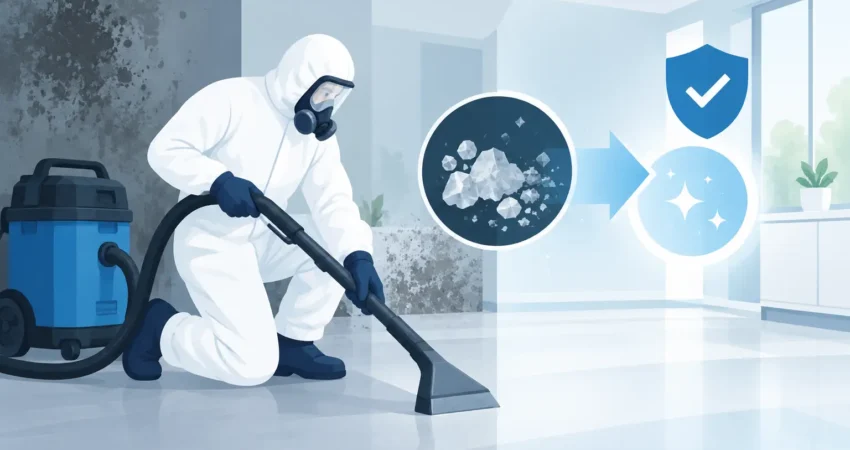
During remediation, specialists use appropriate cleaning agents, controlled techniques, and personal protective equipment. Hard surfaces may require repeated cleaning and rinsing. Carpets, soft furnishings, insulation, untreated timber, wall linings, or heavily affected fixtures may need more extensive treatment or removal, depending on their condition and the contamination findings.
This is where experience matters. Aggressive cleaning can damage finishes, spread residue, or create avoidable repair costs. Conversely, superficial cleaning may leave contamination behind and lead to failed clearance testing. The right approach balances safety, material condition, cost, and the evidence from the assessment.
After remediation, independent post-remediation testing is used to verify the outcome. The property should not be described as cleared based on appearance alone. Laboratory results provide the objective evidence needed to determine whether the cleaning has achieved the required outcome.
Why clearance documentation protects owners
The final report is often as important as the cleaning itself. A well-managed project creates a record of what was found, what work was completed, and what the post-remediation testing showed. This can help property owners demonstrate reasonable care and support informed decisions about re-letting, selling, renovating, or reopening a site.
For commercial premises, documentation can also reduce operational uncertainty. A warehouse, retail unit, office, or accommodation property may need to coordinate remediation around staff access, contractors, inventory, and reopening dates. A clear scope and testing pathway make it easier to manage disruption responsibly.
There are practical trade-offs. Immediate demolition or replacement may feel like the fastest answer, but it can add cost without addressing the full contamination pathway. At the same time, attempting to retain every material may not be sensible where porous items cannot be reliably cleaned. A professional plan should explain why each recommendation is being made.
What property owners should do after a positive result
First, limit unnecessary access to the affected area until professional advice is received. Avoid attempting a deep clean, repainting, removing carpets, or moving contaminated items through other parts of the building. These actions can complicate assessment and may spread residues.
Next, retain all reports, including screening results, laboratory certificates, photographs, police information where available, and previous tenancy or maintenance records. Good records help the remediation provider develop a suitable scope and can be useful in discussions with insurers, property managers, or legal advisers.
Then arrange a qualified assessment and request a clear explanation of the proposed remediation process. Ask how the affected areas were identified, which materials may require removal, what safety controls will be used, and how clearance will be verified. The most useful provider will communicate plainly rather than relying on vague assurances.
Finally, do not allow reoccupation until post-remediation results have been reviewed and the property has been confirmed as suitable under the agreed process. This protects the people who will live or work there and gives owners confidence that the issue has been handled properly.
Choosing a decontamination provider
Methamphetamine remediation should be treated as specialist property hygiene work. Look for a provider that understands NZS 8510:2017, can work from laboratory results, uses documented remediation methods, and coordinates properly with independent testing where required.
It is also worth asking about practical project management. Can the provider work around an urgent tenancy turnaround? Will they identify cleaning separately from repair work? Can they manage affected carpets, hard surfaces, ventilation components, and waste appropriately? These details matter because contaminated properties rarely fit a simple fixed-price cleaning model.
Hire and Clean provides specialist methamphetamine decontamination services focused on safe remediation, careful property restoration, and a clear path to post-remediation verification. Every project should begin with the facts of the property, then move forward with a scope that protects occupants and the asset.
A contamination result can be stressful, but it does not have to leave a property unusable. With sound assessment, professional remediation, and documented clearance, owners can take the next step with confidence and give future occupants a safer place to live or work.